A living room changes as family life changes.
It may begin as a quiet space for two people, become a play area for young children, transform into a gathering place for teenagers, and later become the room where the whole family reconnects.
The best living rooms are not built around one temporary stage. They are designed with enough flexibility to support real life over time.
Choose Seating That Supports Connection
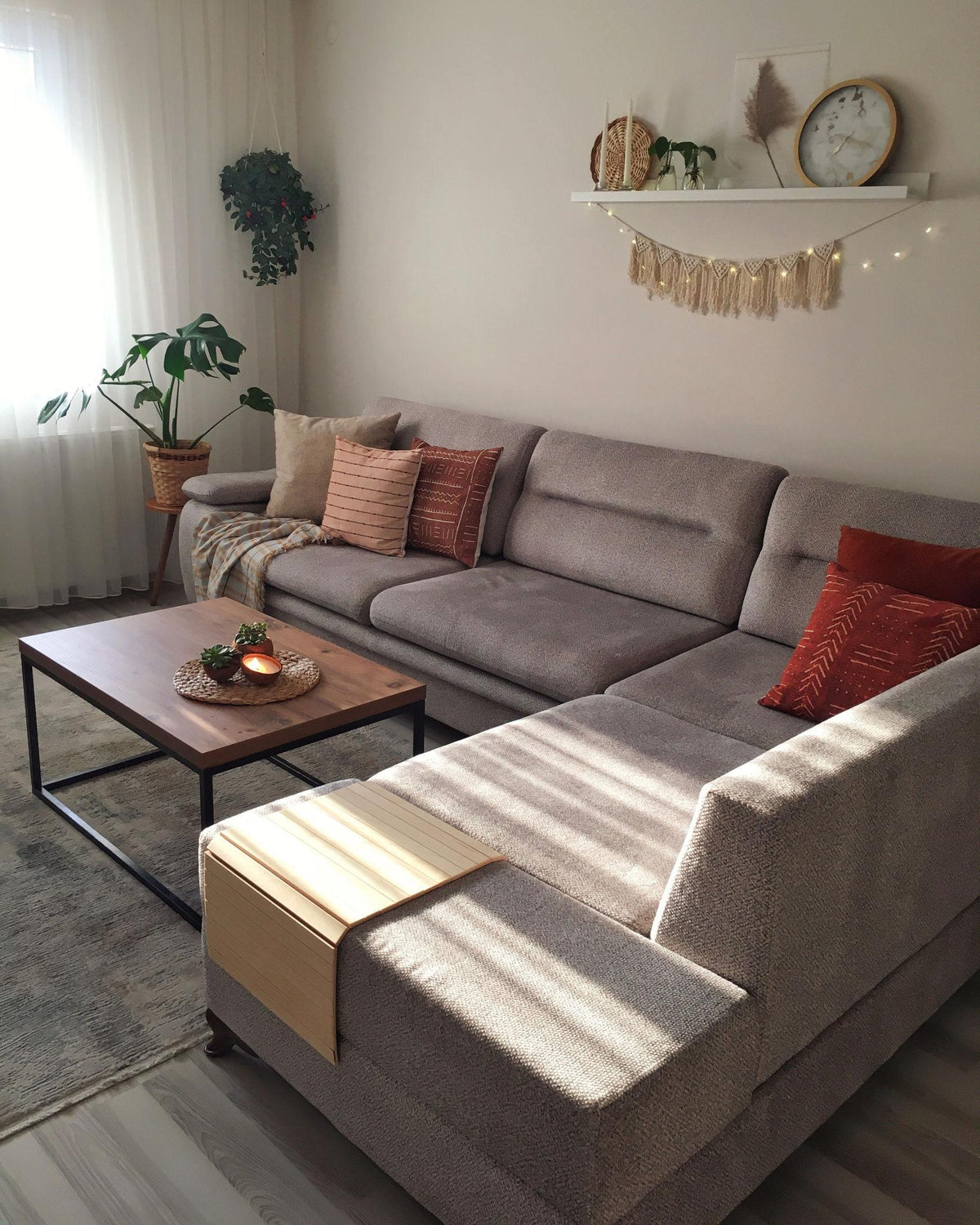
A comfortable sofa or sectional often becomes the foundation of a family living room.
Look for seating that fits the room without blocking pathways. Modular pieces can be rearranged as needs change, while accent chairs provide flexibility for guests and family gatherings.
Arrange seating so people can see and speak to one another easily. A room that supports conversation naturally feels warmer and more connected.
Select Practical, Durable Materials
Family spaces need to handle everyday use.
Choose upholstery, rugs, and surfaces that are durable and easy to maintain. Removable cushion covers, washable textiles, and forgiving textures can make daily life less stressful.
Durability does not require sacrificing style. Many modern materials offer both attractive design and practical performance.
Use Furniture With Hidden Storage
Toys, games, blankets, books, electronics, and remote controls can quickly create clutter.
Storage ottomans, media consoles, coffee tables with shelves, and cabinets help keep frequently used items close without leaving everything visible.
When cleanup is simple, the whole family is more likely to participate.
Create Flexible Activity Zones
A family living room often serves several purposes at once.
One area may be used for television, another for reading, and another for play or conversation. Rugs, lighting, and furniture placement can create subtle zones without building walls.
A floor lamp beside a chair can define a reading area. A low storage unit can organize children’s activities. A clear central space allows the room to adapt when needed.
Leave Space for Life to Happen
Not every corner needs furniture.
Open space makes a room easier to move through and gives children room to play. It also allows the layout to change for holidays, gatherings, exercise, or everyday activities.
A well-designed room is not one that contains the most furniture. It is one that supports the people using it.
Add Personality Through Replaceable Décor
Family interests and preferences naturally change.
Keep larger furniture pieces timeless, then express personality through pillows, artwork, throws, books, and decorative accents. These smaller items are easier to update as children grow or the family’s style evolves.
Display meaningful objects, but leave enough open space to prevent the room from feeling crowded.
Design for Real Memories
A family living room will not always look perfect.
There may be blankets on the sofa, books on the table, and signs of daily activity. Those details are not failures in design. They are evidence that the room is being used and enjoyed.
The goal is not to create a showroom. It is to create a setting for movie nights, conversations, celebrations, quiet afternoons, and ordinary moments that later become meaningful memories.