Beautiful Rooms Are Often Built From Small Decisions
When we see a beautifully designed interior, we often assume the transformation required expensive furniture or a complete renovation.
Sometimes it did.
But often, what makes a room feel finished is much simpler.
Curtains hung at the right height.
A rug large enough for the furniture.
A lamp in the corner that used to feel dark.
A coffee table with enough empty space.
Small decisions create visual order.
And visual order can make an ordinary room feel remarkably different.
1. Use a Rug Large Enough to Connect the Furniture
One of the most common decorating mistakes is choosing a rug that is too small.
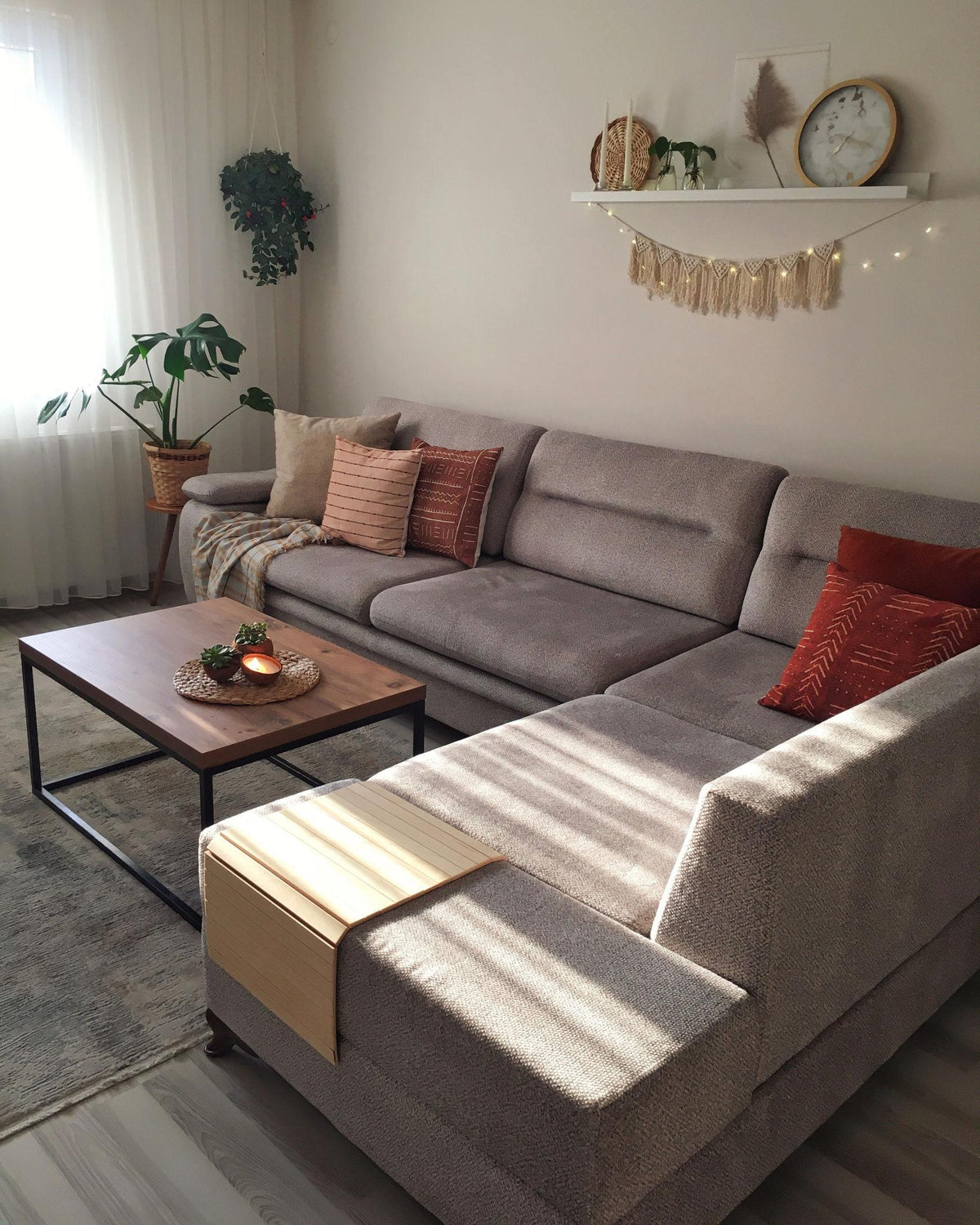
In a living room, a rug should visually connect the main seating pieces.
Rather than looking like a small island beneath the coffee table, it should help define the entire conversation area.
The result feels more grounded and intentional.
2. Hang Curtains With Intention
Curtains influence how tall and spacious a room feels.
When appropriate, hanging the curtain rod above the window frame and allowing panels to fall closer to the floor can visually increase the height of the room.
Choose enough fabric so the curtains still look full when closed.
3. Layer the Lighting
Don't rely entirely on ceiling lights.
Combine:
Ambient lighting.
Task lighting.
Accent lighting.
A floor lamp can brighten a dark corner.
A table lamp can make an evening feel warmer.
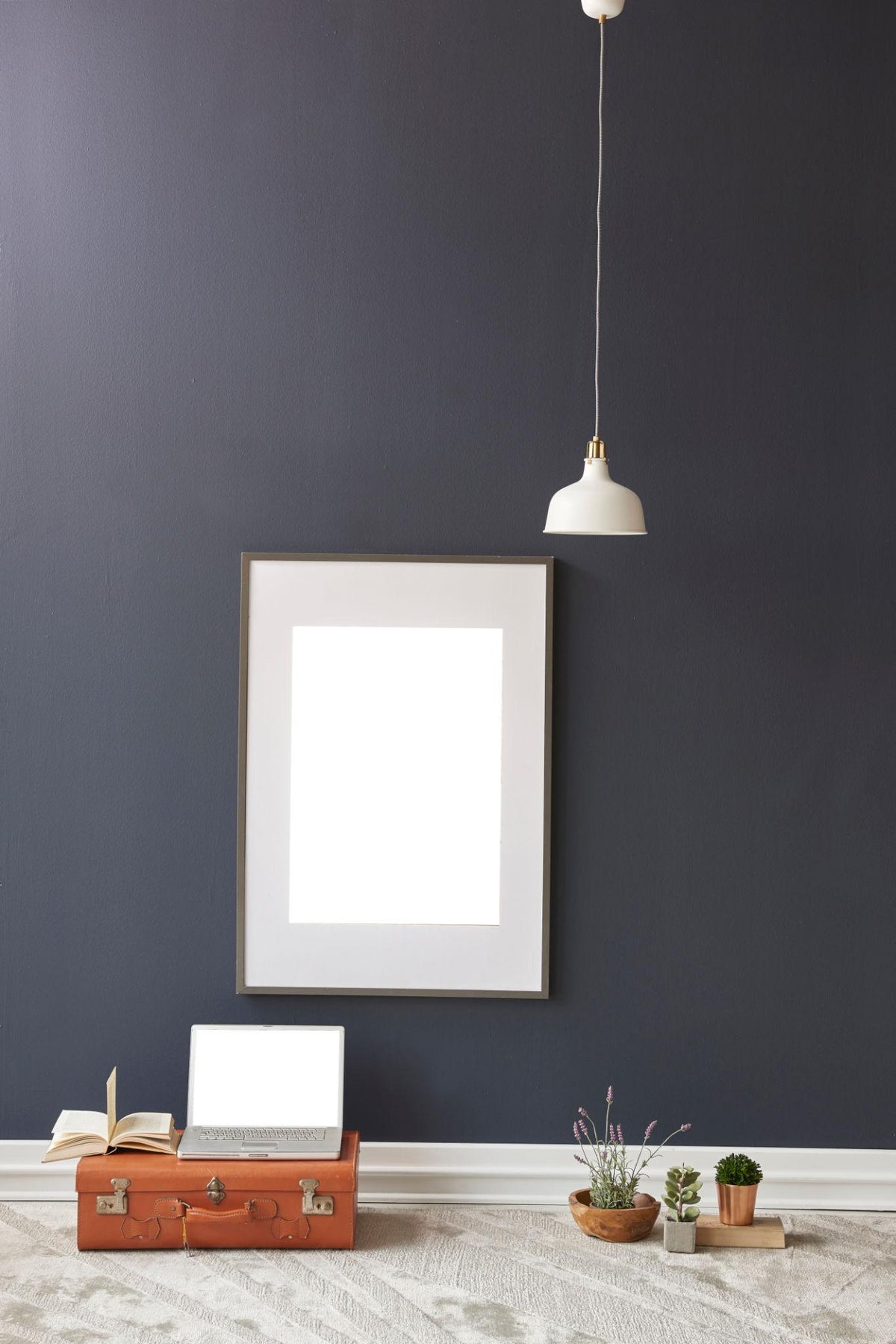
A small accent light can highlight artwork or shelving.
Lighting is both functional and emotional.
4. Give Decorative Objects Space
You don't need to fill every shelf.
Try grouping a few objects and leaving some areas empty.
Empty space helps important objects stand out.
It also prevents shelving and tabletops from becoming visually exhausting.
5. Repeat a Material
Repetition creates cohesion.
If your coffee table includes natural wood, introduce a similar tone through a picture frame, side table, or dining chair.
If black metal appears in your lighting, repeat it subtly elsewhere.
These connections don't need to be obvious.
They simply help the home feel coordinated.
6. Add Something Organic
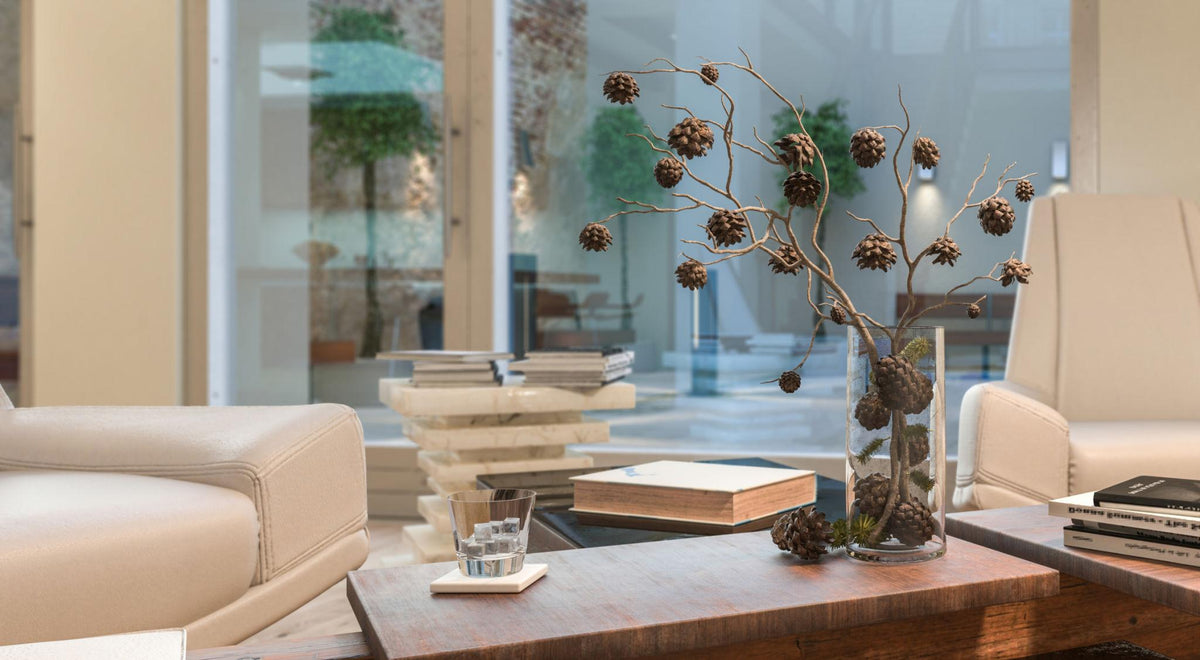
Plants, flowers, branches, wood, stone, and woven materials can soften rooms dominated by straight lines and manufactured surfaces.
Even one organic element can make a room feel more alive.
7. Hide Everyday Visual Clutter
Chargers.
Remote controls.
Mail.
Keys.
Small electronics.
These objects are part of life, but they don't need to become the visual focus of the room.
Use:
Drawers.
Decorative boxes.
Trays.
Baskets.
Closed cabinets.
The goal isn't to eliminate everyday objects.
It's to give them places to return to.
8. Finish the Room With Something Personal
The final layer shouldn't come from a design trend.
It should come from you.
A photograph.
Artwork.
A favorite book.
Something collected while traveling.
A handmade object.
An inherited piece.
Without personal details, a beautiful room can still feel anonymous.
With them, it becomes home.
THE HOME EDIT TIP
When a room feels “almost right,” don't immediately buy something new.
Take a photograph of the space.
Photos often reveal:
Furniture that feels unbalanced.
Empty areas.
Excess clutter.
Lighting problems.
A rug that's too small.
Sometimes the solution is already in the room.
Thoughtful Doesn't Have to Mean Expensive
A sophisticated home isn't necessarily a home filled with expensive things.
It is a home where choices feel intentional.
Where furniture fits the room.
Where lighting supports the atmosphere.
Where storage supports everyday routines.
Where personal objects have space to matter.
That's the difference between simply decorating a room and creating a home.
THE HOME EDIT Philosophy
At THE HOME EDIT, we believe beautiful living is built through thoughtful choices — large and small.
You don't need to redesign everything.
Sometimes changing a few details can help you see your entire home differently.
Related Collections:
Lighting • Area Rugs • Storage & Organization • Home Décor • Living Room