Light Can Change a Room Before You Change Anything Else
Walk into the same room at 8 a.m., noon, and sunset and it can feel like three completely different spaces.
Morning light can make a bedroom feel peaceful.
Bright afternoon light can make a living room feel energetic.
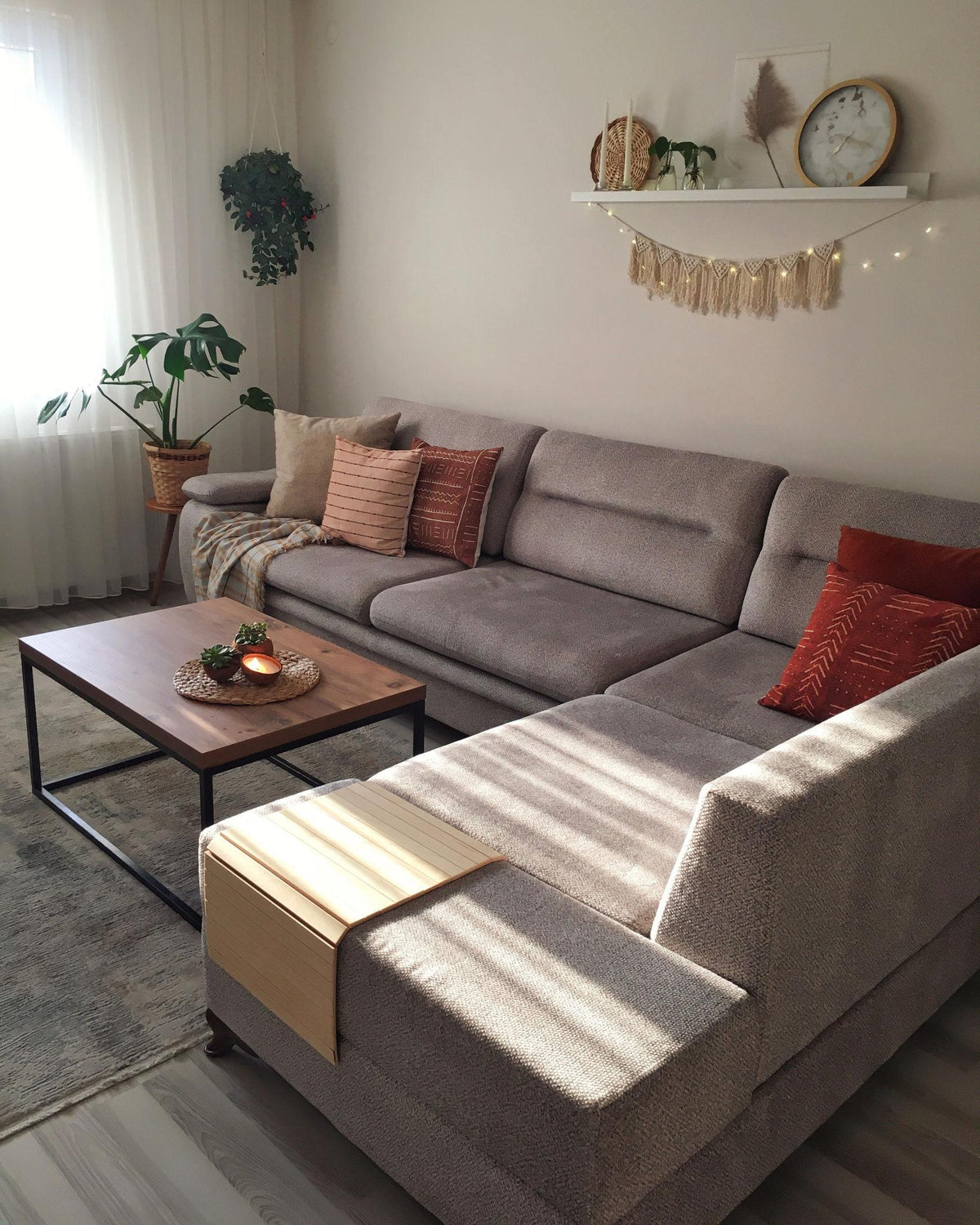
Golden evening sunlight can make wood, fabric, and warm neutral colors suddenly look richer.
Natural light is one of the most powerful decorating tools available — and it doesn't require adding another piece of furniture.
The secret is learning how to design around it.
1. Start by Watching the Light
Before rearranging your furniture, spend a day noticing how sunlight moves through your home.
Which windows receive morning light?
Which rooms become brightest in the afternoon?
Where do shadows naturally appear?
You may discover that a chair you've placed in a dark corner would work beautifully beside a morning window.
Or perhaps your dining table could be moved slightly to benefit from afternoon light.
Understanding the natural rhythm of your home should come before decorating it.
2. Avoid Blocking Your Best Windows
Large furniture placed directly in front of windows can dramatically reduce the amount of light entering a room.
Whenever possible, keep taller furniture away from major windows.
Choose lower-profile furniture near windows:
Low sofas
Benches
Side tables
Low storage cabinets
This allows sunlight to travel deeper into the room.
3. Use Mirrors to Move Light
Mirrors don't create natural light, but they can help distribute it.
Place a mirror:
Across from a window
Adjacent to a bright window
Behind a lamp
At the end of a darker hallway
A strategically placed mirror can reflect both daylight and views, helping a room feel more spacious.
But placement matters.
Don't automatically hang a mirror wherever there is an empty wall.
First consider what it will reflect.
4. Choose Materials That Respond Beautifully to Light
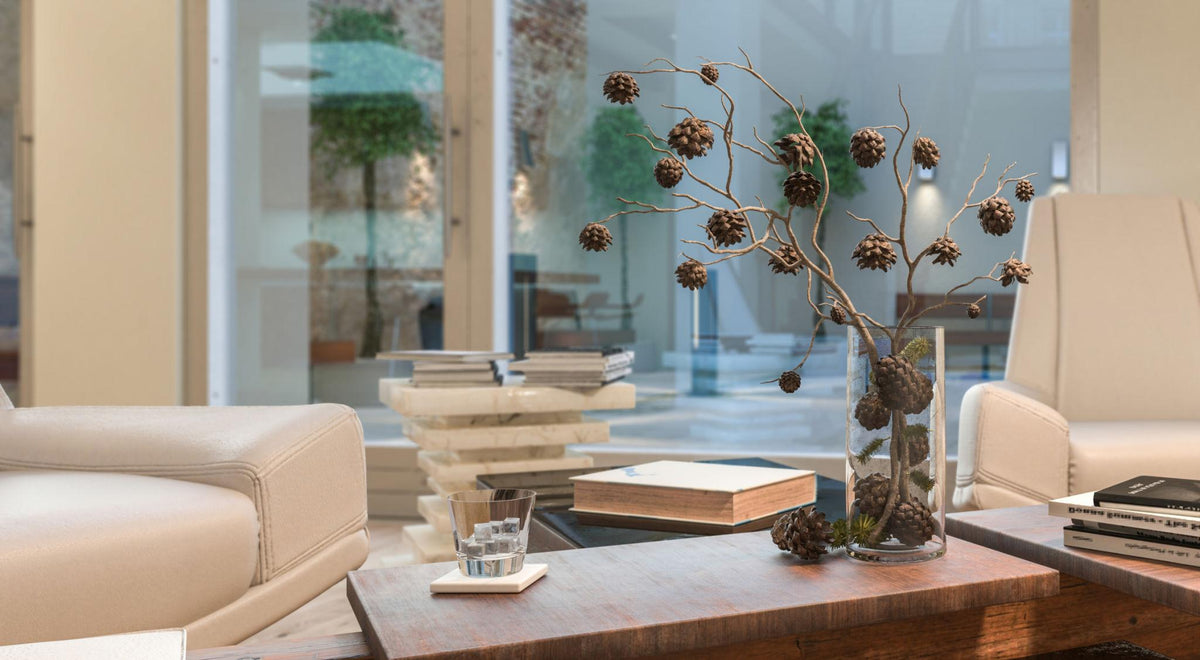
Natural materials often become more interesting as sunlight moves across them.
Wood reveals grain.
Linen shows texture.
Ceramic surfaces create subtle shadows.
Glass reflects the surroundings.
Woven fibers develop visual depth.
This is one reason natural materials work so beautifully in warm modern interiors.
They don't remain visually static throughout the day.
5. Use Sheer Window Treatments When Appropriate
Heavy curtains can be beautiful, but they can also dramatically reduce daylight.
If privacy allows, consider layering sheer curtains with heavier panels.
During the day, the sheer layer softens sunlight without eliminating it.
At night, heavier curtains provide privacy and warmth.
This gives you greater control over both atmosphere and function.
6. Keep Window Areas Visually Calm
Too many objects near windows can make a room feel visually busy.
Allow some breathing room.
One plant.
A beautiful chair.
A small side table.
Perhaps a floor lamp.
You don't need to fill every available area.
Sometimes sunlight itself is the decoration.
THE HOME EDIT TIP
Before deciding where to place major furniture, photograph the room in the morning, afternoon, and evening.
Compare the photos.
You may notice lighting patterns that are difficult to recognize while standing inside the room.
Let Your Home Change Throughout the Day
One of the most beautiful qualities of natural light is that it never stays exactly the same.
Allow your home to respond to those changes.
Morning can feel bright and fresh.
Afternoon can feel open and energetic.
Evening can gradually transition toward warm artificial lighting.
Your home doesn't need one fixed atmosphere.
It can have many.
THE HOME EDIT Philosophy
At THE HOME EDIT, we believe good design works with the home rather than against it.
Sometimes the most beautiful improvement isn't something you purchase.
It's simply allowing the light that was already there to become part of the design.
Related Collections:
Living Room • Mirrors • Window Décor • Accent Chairs • Lighting