You Don't Have to Choose Between a Beautiful Home and Your Pets
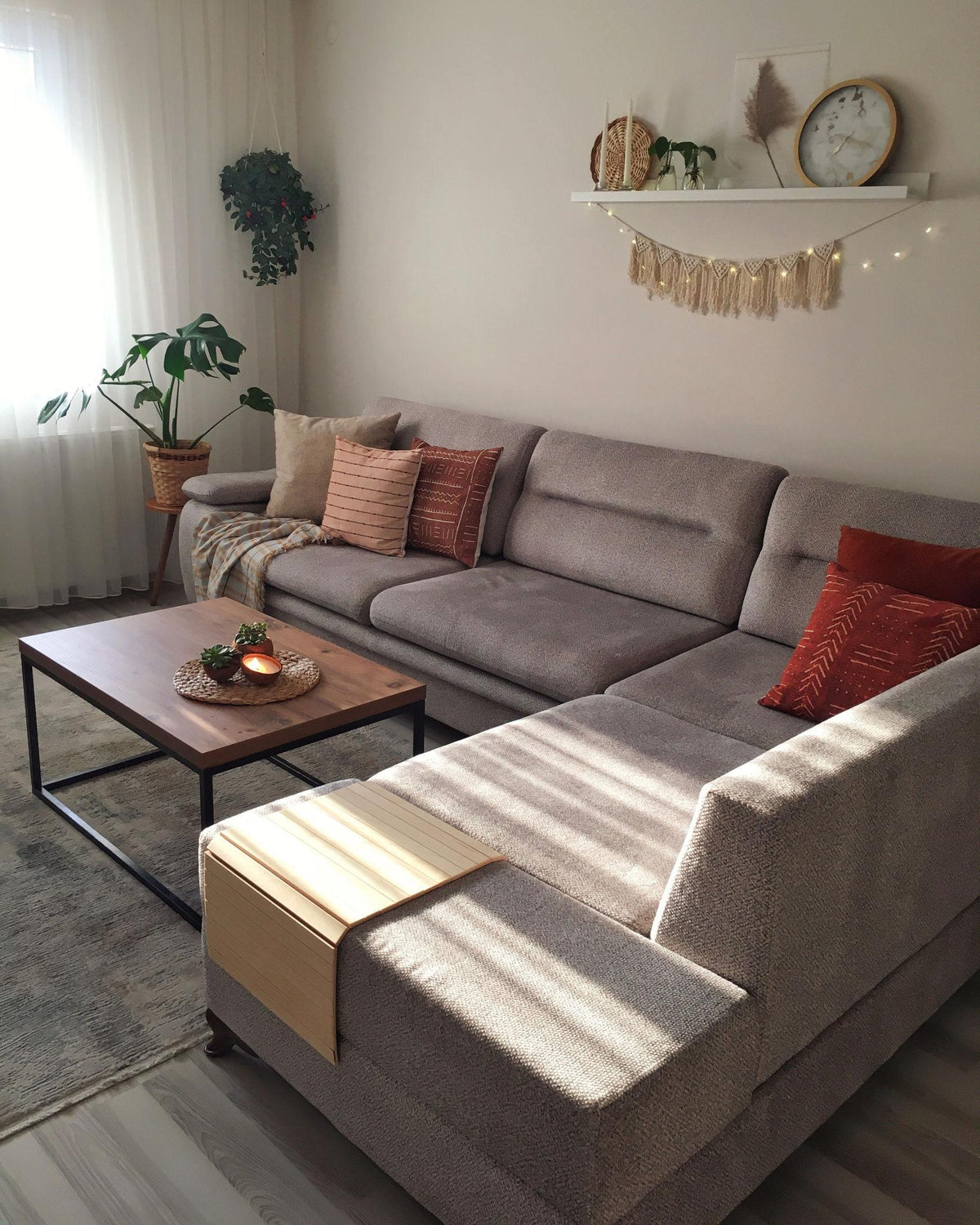
A perfectly styled living room lasts approximately five minutes when a dog decides the sofa is their favorite bed.
Or when a cat discovers the new chair.
Or when toys somehow migrate into every room.
But a pet-friendly home doesn't need to look like every design decision was surrendered to your animals.
The answer is designing around real life.
And pets are part of real life.
1. Choose Furniture for the Life You Actually Have
When selecting sofas and chairs, don't think only about color.
Consider how the furniture will be used.
If pets regularly join you on the sofa, durability matters.
Look for upholstery that suits your household and follow the manufacturer's care instructions carefully.
Medium-tone fabrics, subtle textures, and practical materials can sometimes make everyday pet hair or minor marks less visually noticeable than extremely light or extremely dark solid fabrics.
2. Give Pets Their Own Comfortable Places
Pets often choose human furniture because it's comfortable and because they want to be near us.
Instead of trying to keep them completely away, create attractive alternatives nearby.
A comfortable pet bed beside the sofa.
A soft mat near your desk.
A designated blanket.
A pet-friendly corner near a window.
Giving pets a place within the room helps them remain part of family life.
3. Create a Toy Storage System
Pet toys can spread surprisingly quickly.
Place a basket near the area where your pet usually plays.
The solution should be simple enough that putting toys away takes seconds.
If organization is inconvenient, it won't survive everyday life.
4. Choose Rugs With Real Life in Mind
Rugs create warmth and define spaces, but households with pets may need to think carefully about maintenance.
Consider durability, pile height, cleaning requirements, and how easily hair can be removed.
Always check manufacturer cleaning instructions before choosing a rug for a high-traffic pet area.
A beautiful rug should support everyday life rather than make you nervous every time your dog walks across it.
5. Protect High-Traffic Areas
Notice where your pets naturally move.
Near the entrance.
Between the living room and kitchen.
Beside the sofa.
Near food and water.
These areas may need more durable surfaces or easier access to cleaning tools.
Designing around behavior is often more effective than trying to change it.
6. Make Feeding Areas Feel Intentional
Food and water bowls don't need to feel randomly placed.
Choose a practical location with an easy-to-clean surface.
Use a simple mat to visually define the area.
Keep food, treats, and supplies organized nearby in closed storage if appropriate.
A small amount of planning can make pet necessities feel integrated into the home.
7. Think About Breakable Décor
If you have an energetic dog or curious cat, fragile décor placed near edges may not be the best choice.
Use heavier decorative objects on lower surfaces or move delicate items higher.
Beautiful design also means understanding how the household actually moves.
THE HOME EDIT TIP
Before rearranging a room, notice your pet's favorite routes and resting places for several days.
Then design around those patterns rather than accidentally blocking them.
Your pet has probably already created an unofficial floor plan.
8. Keep Cleaning Tools Convenient
The easier cleaning becomes, the easier it is to maintain a beautiful home with pets.
Store commonly used cleaning tools where they're actually needed.
A basket near the entryway for towels.
A handheld vacuum nearby.
A lint roller in a drawer.
Washable throws where pets usually rest.
Good organization reduces the effort required to maintain the room.
9. Accept a Little Imperfection
There may be fur.
There may be toys.
There may occasionally be paw prints.
That's part of sharing your home with an animal.
A home doesn't become less beautiful because evidence of life exists inside it.
Often, the opposite is true.
THE HOME EDIT Philosophy
At THE HOME EDIT, we believe beautiful homes should support everyone who lives there — including the four-legged members of the family.
Choose furniture thoughtfully.
Create practical storage.
Design around real routines.
Then let the home be lived in.
Because a beautiful home should still feel like home when your dog jumps onto the sofa.