Sometimes a living room does not need new furniture.
It simply needs a new perspective.
A sofa placed too close to the wall, a coffee table blocking the walkway, or an accent chair facing away from the rest of the room can make even a beautiful space feel uncomfortable.
The right furniture arrangement can improve movement, conversation, comfort, and the entire atmosphere of a room—without requiring a major renovation.
Begin With the Way You Live
Before moving furniture, think about how the living room is actually used.
Is it mainly a place for family movie nights? Do you often welcome guests? Does someone enjoy reading near the window? Do children need open floor space to play?
The best layout is not necessarily the one seen in a magazine. It is the one that supports your everyday routines.
A room designed for conversation may need seating arranged to face one another. A television-centered room may require a clear viewing angle. A multipurpose living room may need separate areas for relaxing, reading, and working.
Choose a Natural Focal Point
Every room benefits from a clear visual anchor.
The focal point might be:
- A fireplace
- A television console
- A large window
- A statement coffee table
- A favorite piece of artwork
- A beautifully styled bookshelf
Arrange the main seating around this feature so the room feels intentional rather than scattered.
When there is no natural focal point, create one with furniture, lighting, or décor.
Pull Furniture Away From the Walls
Many people push every piece of furniture against the walls because they believe it will make the room feel larger.
In reality, this can leave the center of the room feeling empty and disconnected.
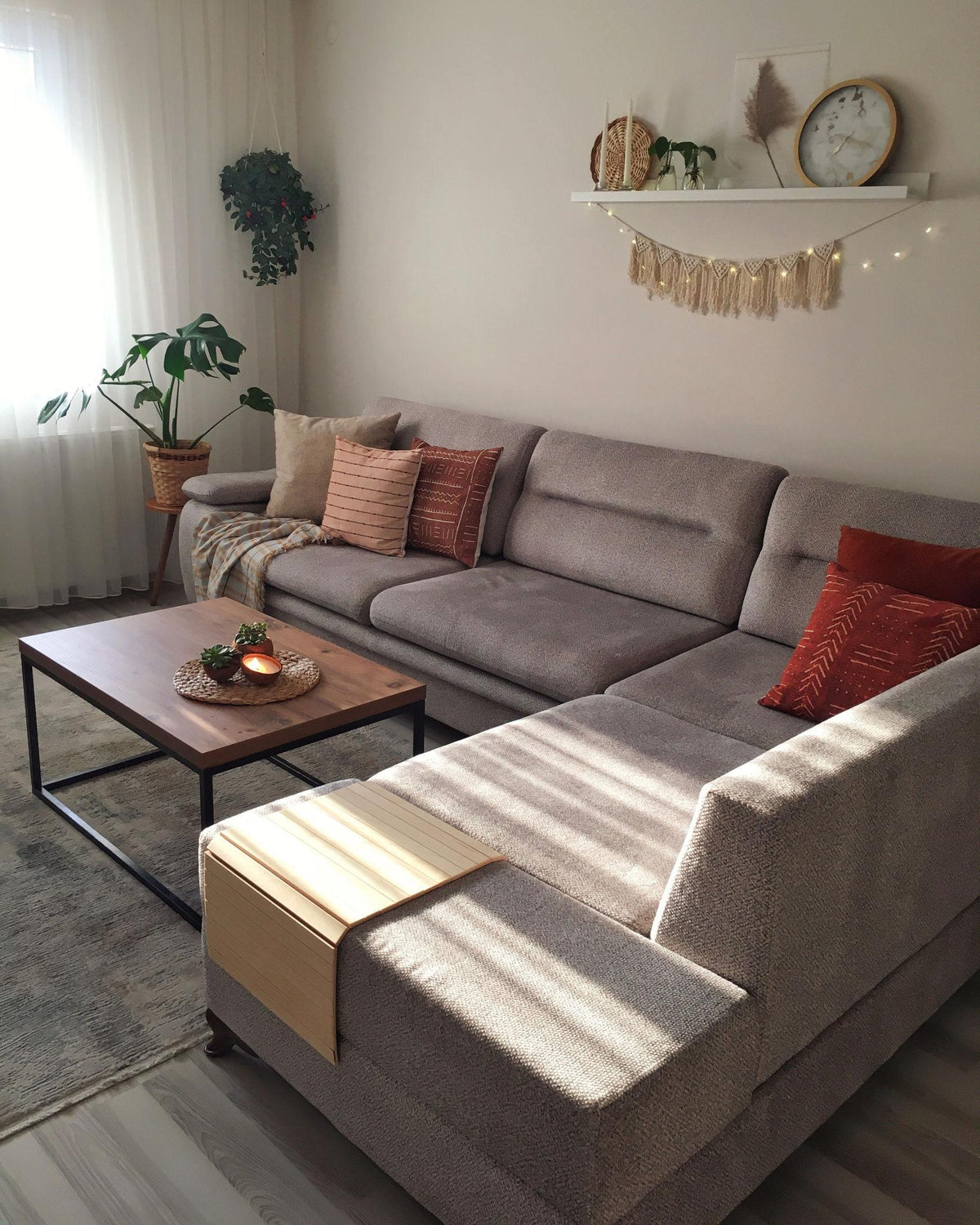
Try bringing the sofa or chairs slightly inward. Even a few inches can create a more intimate and inviting conversation area.
In larger rooms, floating the sofa away from the wall can also help divide the space into functional zones.
Make Conversation Feel Natural
People should not need to raise their voices or turn awkwardly to speak with one another.
Arrange sofas and accent chairs close enough to encourage comfortable conversation. A coffee table or area rug can visually connect the seating and make the arrangement feel complete.
Side tables should be within easy reach, giving everyone a convenient place for drinks, books, or personal items.
Protect the Pathways
A beautiful room should also be easy to move through.
Leave clear pathways between doors, seating areas, and adjoining rooms. Avoid placing large furniture in areas where people naturally walk.
As a general approach, allow enough space around coffee tables and chairs so people can sit, stand, and move without bumping into furniture.
The room should guide movement effortlessly.
Use an Area Rug to Bring Everything Together
An area rug can visually anchor the furniture and define the main gathering space.
Ideally, the front legs of the sofa and chairs should rest on the rug. This creates a sense of connection between the pieces.
A rug that is too small can make the furniture appear separated, while a well-proportioned rug helps the entire room feel more generous and balanced.
Create Balance, Not Perfect Symmetry
A balanced room does not need to be completely symmetrical.
You might pair a large sofa with two smaller accent chairs. A tall floor lamp on one side of the room can be balanced by a bookshelf or plant on the other.
The goal is to distribute visual weight so that one area does not feel heavy while another feels empty.
THE HOME EDIT Philosophy
At THE HOME EDIT, we believe good design begins with understanding how people live.
The right furniture layout can help a room feel more comfortable, more connected, and more useful every day.
Before replacing your furniture, try reimagining the way your space comes together.