Curated for real lifeThoughtfully selected pieces for beautiful everyday living.
◯
Comfort firstFurniture designed to look beautiful and feel even better.
⌂
Made for homePieces that naturally belong in the spaces where life happens.
▣
Smart functionBeautiful storage and furniture that quietly make life easier.
⇢
Free shipping $50+Free shipping on qualifying orders over $50.
A HOME, THOUGHTFULLY EDITED.
Furniture that invites you to stay. Beautiful solutions for everyday routines.
01 / Comfort02 / Function03 / Character
HOME, THROUGHOUT THE DAY.
Thoughtful spaces for every moment — from the first light of morning to the quiet comfort of evening.
Wake
A softer start, with room to breathe.
Gather
Easy pieces for meals, work and everything between.
Unwind
Comfort that welcomes the people you love.
Rest
Quiet details for the end of the day.
Bringing the Outdoors In: A Guide to Biophilic Design
Share
Humans have an innate connection to nature, yet we spend the vast majority of our lives indoors. Enter "Biophilic Design"—an innovative approach to interior design that focuses on integrating natural elements into the built environment. This isn't just about making your home look good; studies show that biophilic spaces can reduce stress, improve cognitive function, and boost overall happiness. Here is how to bring the healing power of the outdoors into your living room.
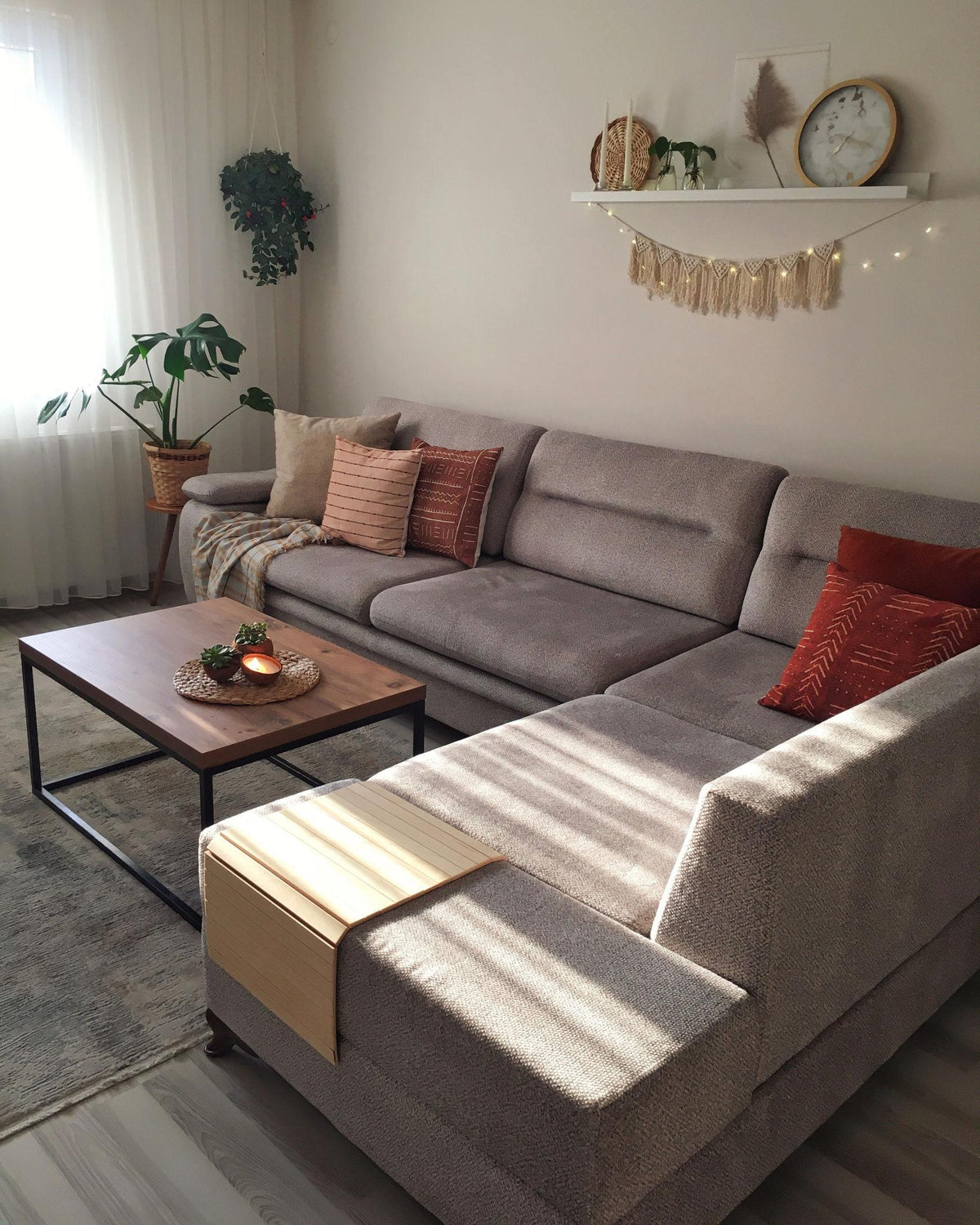
1. Maximize Natural Light The foundation of biophilic design is abundant natural light. Pull back heavy curtains and let the sunshine in. If privacy is a concern, use sheer, light-filtering linen drapes. Position your main seating areas—like your reading chair or home office desk—as close to the windows as possible to ensure you get your daily dose of sunlight.
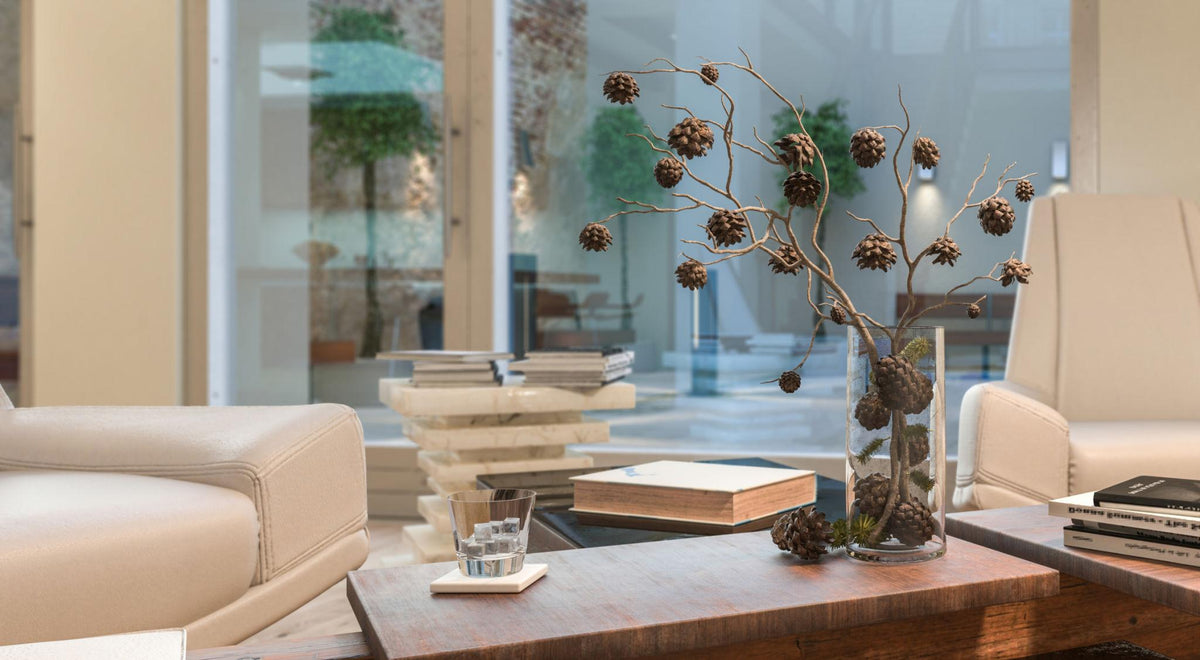
2. Incorporate Earth-Derived Textures To mimic the tactile experience of nature, fill your home with organic textures. Choose furniture made from raw, unpainted wood so you can feel the grain. Incorporate natural fibers like jute rugs, woven rattan chairs, and stone or marble coffee tables. These materials ground the space and provide a beautiful, earthy contrast to sleek modern screens and appliances.
3. Decorate with Botanical Motifs If you don't have a green thumb, you can still embrace biophilic design through patterns and shapes. Choose wall art that features botanical prints, landscapes, or abstract natural shapes. Look for throw pillows with subtle leaf patterns or floral designs in muted, natural color palettes to evoke the feeling of a garden.
4. Create an Indoor Jungle Of course, the most direct way to implement biophilic design is with living plants. Grouping plants of varying heights together creates a lush, jungle-like corner that breathes life into a room. Place large floor plants in woven baskets and use hanging planters to draw the eye upward.