A Beautiful Room Should Feel as Good as It Looks
Have you ever walked into a beautifully decorated room and immediately felt that something was wrong?
The furniture looks expensive. The colors coordinate. The accessories are thoughtfully chosen.
Yet moving through the room feels awkward.
Perhaps the sofa is too far from the coffee table. Maybe the dining chairs block the walkway. Or the room looks impressive but doesn't provide a comfortable place for conversation.
Often, the problem isn't the furniture itself.
It's the way the furniture has been arranged.
Thoughtful furniture placement can change how a room functions without requiring a complete makeover.
Here are seven common mistakes worth avoiding.
1. Pushing Every Piece Against the Wall
One of the most common decorating habits is placing every piece of furniture directly against the walls.
This may seem like the easiest way to create more space, but it can sometimes make a living room feel disconnected.
When seating is spread too far apart, conversations become less comfortable and the center of the room can feel unnecessarily empty.
What to do instead
Try bringing the sofa and accent chairs slightly closer together.
Create a conversation area where people can comfortably speak without raising their voices.
In larger rooms, floating furniture away from the walls can create a more intimate atmosphere.
In smaller rooms, keeping some furniture against the wall may still be the best choice. The important thing is to prioritize how the space functions.
2. Choosing Furniture That Overwhelms the Room
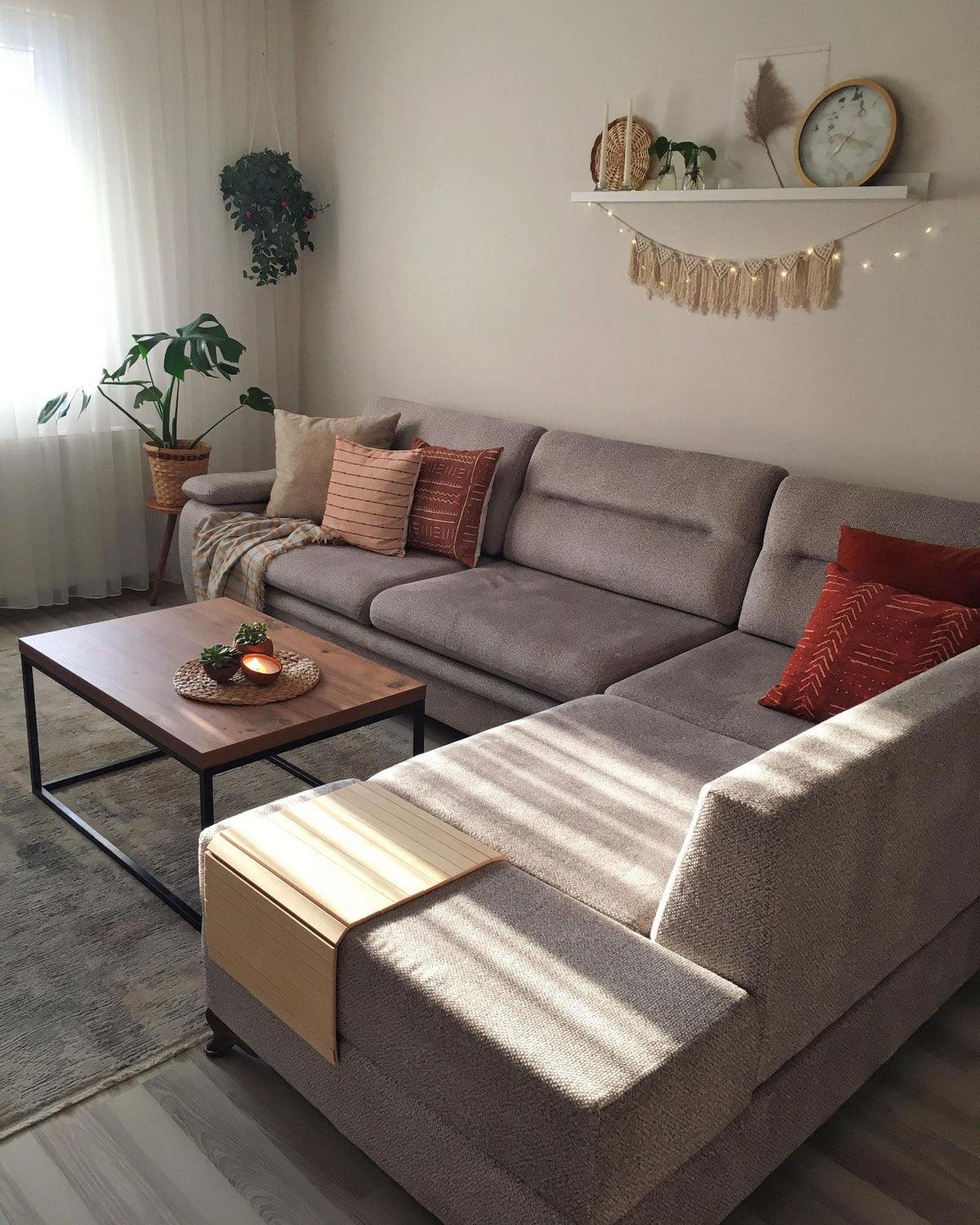
A large sectional can look beautiful in a spacious showroom.
But the same sectional may dominate a smaller apartment.
Furniture should complement the proportions of the room rather than compete with them.
Before buying a major piece, consider its width, depth, height, and surrounding clearance.
A compact sofa with a carefully selected accent chair may offer more flexibility than an oversized sectional.
THE HOME EDIT TIP: Use painter's tape to mark furniture dimensions on the floor before purchasing. Walk around the outline to test how the piece will affect everyday movement.
3. Ignoring Natural Walking Paths
Every room has invisible pathways.
People move from the entrance to the sofa, from the kitchen to the dining table, and from the bed to the closet.
Furniture that interrupts these routes creates unnecessary frustration.
Think about how people naturally travel through the space.
Keep frequently used pathways clear and avoid positioning sharp furniture corners directly in busy circulation areas.
A room should invite movement rather than require people to navigate an obstacle course.
4. Using a Coffee Table That Doesn't Fit the Seating
A coffee table should be practical and visually balanced.
If it's too small, the seating area may feel disconnected.
If it's too large, moving around the sofa becomes difficult.
Consider the shape and dimensions of the seating arrangement.
Round and oval coffee tables can be useful in tighter spaces, while rectangular tables often complement longer sofas.
Also think about how the table will be used.
Will it hold drinks, books, snacks, decorative objects, or everyday essentials?
The best choice supports your routine.
5. Forgetting About Lighting Placement
Furniture and lighting should be planned together.
A reading chair without a nearby lamp may look attractive but offer limited practical value after sunset.
A side table without adequate lighting may become less useful.
Before finalizing your layout, consider where you read, relax, work, and entertain.
Use table lamps, floor lamps, and task lighting to support those activities.
A beautiful room should work throughout the day, not only when sunlight is available.
6. Creating a Room With Only One Focal Point
Many living rooms are arranged entirely around the television.
Although entertainment is important, a room can support more than one activity.
Consider creating a secondary focal point.
A reading chair beside a window.
A bookshelf displaying favorite objects.
A small conversation area.
A beautiful console with artwork.
These details encourage the room to function as a living space rather than simply a television-viewing area.
7. Decorating Before Solving Function
It's tempting to begin with decorative pillows, artwork, vases, and accessories.
But styling works best after the furniture arrangement is functional.
First determine where the major furniture belongs.
Then consider lighting, storage, and walking paths.
Finally, add decorative layers that make the room personal.
The result will feel more intentional because every element has a purpose.
The Real Secret to a Comfortable Layout
A well-designed room doesn't require constant adjustment.
You can reach your coffee.
You can walk comfortably.
You can talk with someone sitting nearby.
You can find the things you need.
When furniture placement supports everyday life, the entire home begins to feel easier.
THE HOME EDIT Philosophy
At THE HOME EDIT, we believe great design is about more than appearance.
Furniture should support how people move, gather, relax, and live.
A thoughtful layout helps beautiful furniture become part of a truly comfortable home.
Related Collections: Sofas & Sectionals • Accent Chairs • Coffee Tables • Side Tables • Floor Lamps